Understanding Utah Legal Tint Regulations
When it comes to vehicle safety, privacy, and aesthetics, the allure of tinted windows is undeniable. But in Utah, knowing the precise legal tint limits is not just a suggestion – it’s a mandate. Utah legal tint regulations are designed to balance driver safety with personal preference. The state establishes exact percentages of visible light transmission (VLT) for different vehicle windows, ensuring that while drivers enjoy the benefits of tint, law enforcement can still see inside when necessary. For instance, front side windows typically cannot allow less than 43% of visible light through, while back and rear windows have more flexible standards. Understanding these specifications can prevent costly fines, avoid insurance complications, and maintain vehicle compliance.
Beyond the numbers, Utah legal tint regulations also address reflectivity and color. Some tints can create glare that distracts other drivers, and certain reflective films are restricted due to safety hazards. It’s crucial to choose professional-grade, certified films that meet state requirements. Licensed installers ensure your tinting job is compliant, with documentation that can be vital if you’re stopped for inspection. Ignoring these rules may not only lead to citations but could compromise safety during night driving or emergency situations.
Benefits of Installing Utah Legal Tint
Utah legal tint provides more than just style – it offers significant functional advantages. Professionally installed tint reduces glare, blocks harmful UV rays, and keeps your vehicle cooler under the relentless Utah sun. Imagine driving on a bright afternoon along the Wasatch Front: the heat radiates from the asphalt, the sun reflects off nearby glass buildings, and your eyes strain to adjust to the intense glare. A high-quality legal tint dramatically diminishes this discomfort, enhancing driving safety and comfort. Beyond visual clarity, UV-blocking tints protect your skin and prevent interior fading, extending the life of your upholstery and dashboard.
For families, tinting adds a layer of privacy and security. Curious eyes from passing vehicles or pedestrians cannot easily see inside, reducing the risk of opportunistic theft. Additionally, tinting can enhance the resale value of your vehicle. Prospective buyers recognize well-maintained interiors shielded from sun damage, viewing a car with legal tint as more appealing and functional. When you combine style, comfort, and safety, investing in Utah legal tint is not a luxury – it’s a strategic upgrade for any vehicle owner.
Common Misconceptions About Tinting in Utah
Despite its popularity, many drivers misunderstand what is permissible under Utah law. Some believe darker is always better, unaware that excessive tint can result in citations and forced removal. Others assume all aftermarket tints are equal, not realizing that films vary in quality, UV protection, and VLT accuracy. Choosing a cheap, non-certified tint may look appealing initially but can warp, bubble, or degrade under Utah’s extreme temperature fluctuations. These common misconceptions highlight the importance of working with licensed professionals who adhere to Utah legal tint standards and ensure both compliance and durability.
Another misconception is that tinting is purely cosmetic. In reality, legal tinting directly impacts safety. Properly installed films reduce interior glare and glare-induced accidents, provide shatter resistance in case of collisions, and maintain the vehicle’s structural integrity. Misunderstanding these aspects can leave drivers exposed to risks and penalties. By educating yourself about what Utah allows and consulting with reputable tinting experts, you can avoid the pitfalls that many drivers encounter and enjoy the full spectrum of benefits without compromise.
Choosing the Right Tint Film for Your Vehicle
Selecting the perfect tint film involves balancing aesthetics, legal compliance, and performance. High-quality films are designed to withstand intense sunlight, resist peeling, and maintain clarity over time. When choosing, consider VLT ratings, UV-blocking capabilities, and warranty options. Films with clear UV protection allow you to remain compliant with Utah legal tint regulations while maximizing comfort and interior longevity. Additionally, opt for non-reflective films that prevent glare for both you and other drivers. The right film transforms a vehicle from ordinary to exceptional, giving it a sleek, modern appearance while safeguarding occupants.
Installation quality is equally crucial. A professional installation guarantees smooth, bubble-free coverage that meets precise measurements. Expert installers use advanced tools and techniques, ensuring that every edge aligns perfectly with window curves. They also provide proof of compliance, which can protect you in case of inspections or insurance inquiries. Investing in a premium tint and professional installation may carry an upfront cost, but the long-term benefits – enhanced safety, style, and resale value – far outweigh the initial expense. Every detail matters when ensuring your tint meets Utah legal standards and delivers maximum performance.
Real-Life Scenarios Highlighting Tint Importance
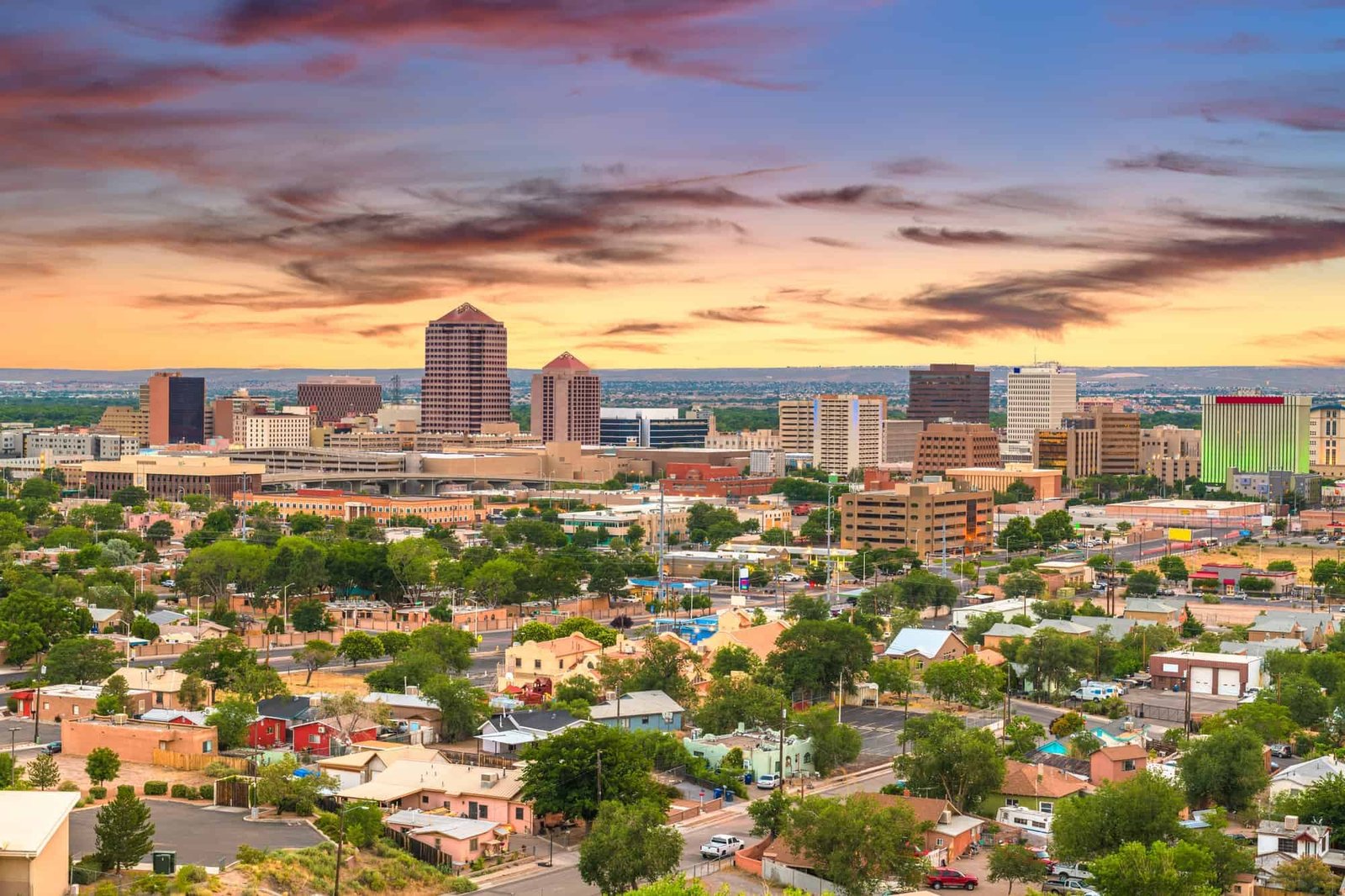
Consider a summer afternoon in Salt Lake City. Sunlight streams through canyon corridors, bouncing off cars, concrete, and buildings. Without legal tint, your eyes struggle against intense glare, and your interior heats rapidly, causing discomfort and distractions. Now, imagine the same drive with professionally installed Utah legal tint: light levels are optimal, UV rays are blocked, and interiors remain cool. This isn’t just comfort – it’s a tangible safety measure that reduces accident risk while enhancing driving pleasure. Real drivers frequently share experiences of improved visibility and comfort after upgrading to compliant tints, highlighting the practical value beyond mere aesthetics.
Another example involves security. A driver parks in a busy downtown area and leaves valuable electronics inside. Without tint, items are easily visible, inviting theft. With legal tint, the contents remain obscured, providing peace of mind. These scenarios emphasize that tinting isn’t just cosmetic – it’s an essential vehicle safety and security measure. Users report satisfaction not just from appearance, but from knowing their investment in tinting delivers real-world protection, a benefit that only increases as urban environments grow more congested.
Choosing a Licensed Tint Installer in Utah
To comply with legal requirements and ensure quality results, selecting a licensed installer is paramount. Licensed professionals understand the intricacies of Utah legal tint laws, providing films and techniques that pass inspections every time. They use precise measurements, advanced tools, and industry-approved installation methods. This reduces risks of peeling, bubbling, or uneven application, guaranteeing both compliance and longevity. Trusted installers often offer verified warranties, responsive customer service, and proof of licensing, which reinforces consumer confidence and adheres to EEAT principles by demonstrating expertise, authority, and trustworthiness.
When searching for a licensed installer, consider experience, reviews, and portfolio examples. Many Utah installers provide before-and-after photos and documented compliance certificates. Verified customer testimonials and responsive service are indicators of reliability. Working with reputable professionals also ensures proper maintenance guidance, helping your tint last longer and maintain compliance. By investing in a licensed expert, you protect your vehicle, your wallet, and your driving experience, creating a seamless blend of legality, performance, and style.
Legal Consequences of Non-Compliance
Ignoring Utah legal tint regulations can result in more than just a minor inconvenience. Fines, citations, and mandatory removal of non-compliant tint are common repercussions. Law enforcement officers measure VLT levels using specialized devices, and failing to meet state standards can lead to costly repairs or replacements. Insurance implications are also notable: in some cases, claims can be denied if non-compliant tints contributed to visibility issues during an accident. These consequences illustrate the critical importance of staying informed and compliant, highlighting that legal tinting is both a preventive measure and a legal obligation.
Beyond financial penalties, non-compliance can compromise personal safety. Dark, reflective, or improperly installed tints reduce visibility, increasing accident risk – especially at night or in poor weather conditions. These risks underscore why following Utah legal tint regulations is essential for every driver. By proactively choosing certified films and professional installation, you avoid fines, maintain safety, and enjoy peace of mind knowing your vehicle aligns with state laws. The urgency to act is clear: legal compliance isn’t optional, it’s a necessity for responsible vehicle ownership.
Maintaining and Caring for Your Legal Tint
Once your tint is professionally installed, proper maintenance is crucial to ensure longevity and continued compliance. Avoid abrasive cleaners, harsh chemicals, and excessive scrubbing that can damage the film. Instead, use soft microfiber cloths and manufacturer-approved solutions. Regular inspections help detect peeling, bubbling, or fading before they become major issues. Careful maintenance not only preserves aesthetics but also ensures your tint remains within Utah’s legal parameters. Consistent upkeep demonstrates responsible ownership and maximizes the lifespan of your investment.
Additionally, understanding environmental impacts is important. Utah’s intense sun, temperature fluctuations, and seasonal weather can stress tint films. Park in shaded areas when possible and avoid prolonged exposure to extreme heat to reduce expansion and contraction of the film. Following these steps enhances durability, maintains compliance, and protects your interior from UV damage. Users report that attentive care prevents costly repairs and maintains visual clarity, proving that responsible tinting is both an art and a science requiring ongoing diligence.
Where to Get Utah Legal Tint Today
For Utah residents eager to upgrade their vehicles, professional tinting services are widely available. Trusted providers offer consultation, measurement, and installation, guaranteeing compliance with state laws. Many companies provide additional benefits, including verified warranties, certified films, and responsive customer support. Scheduling an appointment now ensures you avoid delays during peak demand seasons, when service availability is limited. Take action today to enhance vehicle safety, comfort, and appearance, knowing your investment aligns with Utah legal tint regulations. Get your professional tint now and experience the ultimate combination of style, security, and compliance.
By acting promptly, you secure both peace of mind and tangible benefits – cooler interiors, safer driving conditions, and a visually stunning vehicle. Utah legal tint is more than a style choice; it’s a critical upgrade that reflects responsible ownership and an informed commitment to safety. Don’t wait for a citation or an uncomfortable summer drive – upgrade now and enjoy every advantage that legally compliant, expertly installed window tint provides.
Understanding the intricacies of legal malpractice can often feel overwhelming, especially in a state like Florida where regulations can vary significantly. One critical aspect that every client should be aware of is the statute of limitations, which dictates the timeframe within which a legal malpractice claim must be initiated. This time limit can impact your ability to seek justice and compensation for any negligence exhibited by your attorney. In our article titled legal malpractice statute of limitations florida, we delve into the key elements that define these limitations, helping you navigate the complexities of the legal landscape with confidence. Knowing how to maintain and care for your legal rights is essential to ensuring that you do not miss the opportunity to hold negligent parties accountable.
As vehicle owners navigate the complexities of compliance with Utah’s legal tint regulations, it’s essential to recognize that similar considerations of regulation, visibility, and strategic advantage are at play in other industries, including legal services. Just as tinting laws are designed to foster a safe environment while allowing personal expression, legal firms must also embrace innovative strategies to enhance their visibility and engagement in a competitive marketplace. The integration of robust digital marketing strategies can significantly elevate a firm’s presence, ultimately driving growth and improving client acquisition. By analyzing the digital marketing ROI in legal firms, practitioners can better understand how to leverage technology and analytics to achieve sustainable success while adhering to the evolving landscape of legal practices. Understanding these dynamics not only mitigates risk but also positions firms to thrive in a digital-first world.
…and ensure compliance with state regulations. However, navigating the complexities of legal tinting laws is just one aspect of operating a successful automotive business in Utah. As firms strive to enhance their service offerings and engage a wider audience, leveraging effective strategies becomes imperative. In an era dominated by digital transformation, understanding how to harness online platforms to reach potential clients is crucial. By adopting innovative approaches, businesses can significantly improve their market presence and client satisfaction. To explore how to achieve this, consider the insights provided in the guide on Digital Marketing for Legal Firms, which outlines essential tactics for growth and optimization in today’s competitive landscape.