JJM Auto & Fleet Service: Expert Vehicle Care for Every Fleet
Managing several vehicles is very different from maintaining a single personal car. Fleet operators need dependable repairs, predictable maintenance, quick turnaround, and technicians who understand commercial vehicles and equipment. JJM Auto & Fleet Service is an automotive service business in Salem, New Hampshire, serving passenger vehicles and fleet customers.
Located at 85 Lowell Road, Salem, NH 03079, JJM Auto & Fleet Service is listed by the Better Business Bureau as an auto repair business that provides passenger car and fleet specialist services. The company also handles the sales and service of plows, sanders, dump and rock bodies, and related equipment.
This guide looks at what fleet owners should know about JJM Auto & Fleet Service, the importance of preventive maintenance, commercial vehicle care, trailer and equipment service, and how businesses can build a more reliable fleet-maintenance strategy.
What Is JJM Auto & Fleet Service?
JJM Auto & Fleet Service, Inc. is an automotive repair and fleet-service business based in Salem, New Hampshire. BBB records identify the company as providing passenger car and fleet specialist services and list additional business categories including auto repairs, trailer parts, snow-removal equipment, and fleet services.
The business has operated in Salem for many years. BBB records indicate that the business started in 1992 and has been BBB accredited since 2022.
Its combination of vehicle service and equipment-related work makes the business particularly relevant to customers who operate work trucks, trailers, commercial vehicles, and seasonal equipment.
Why Fleet Maintenance Matters
For a business, a vehicle that is unavailable can mean more than an inconvenient trip to the repair shop. It can delay deliveries, interrupt construction work, reduce employee productivity, and create scheduling problems.
Preventive maintenance helps fleet operators identify developing problems before they turn into larger failures. A structured maintenance program can include regular inspections, fluid service, tire checks, brake inspections, battery testing, and manufacturer-recommended maintenance.
The goal is not simply to repair vehicles when they break. It is to keep vehicles in a condition where unexpected downtime is reduced and operating costs can be managed more predictably.
Fleet Services for Different Types of Vehicles
Every fleet has different requirements. A landscaping company may depend on pickup trucks and trailers, while a construction company may operate heavy-duty trucks, equipment trailers, and specialized bodies.
Fleet service therefore needs to account for the type of vehicle, how frequently it is used, its operating environment, mileage, payload, and the demands placed on its components.
Passenger and Light-Duty Vehicles
Company cars, SUVs, and light-duty trucks still require the same fundamentals as privately owned vehicles: scheduled maintenance, safe tires, properly functioning brakes, reliable batteries, and timely diagnosis of warning lights.
Maintaining these vehicles according to manufacturer recommendations can help businesses avoid preventable interruptions and keep employees moving safely.
Work Trucks
Work trucks often experience heavier use than personal vehicles. Towing, hauling, frequent stops, idling, rough roads, and heavy loads can place additional stress on brakes, suspension components, tires, cooling systems, and drivetrains.
A fleet maintenance program should account for those operating conditions rather than applying exactly the same schedule used for a lightly driven passenger vehicle.
Trailers
Trailers are an important part of many commercial fleets, but they can sometimes receive less attention than the tow vehicle.
Trailer brakes, bearings, tires, lights, wiring, suspension components, couplers, and safety chains all deserve regular inspection. JJM Auto & Fleet Service is also publicly categorized under trailer parts and related automotive services.
JJM Auto & Fleet Service and Specialized Equipment
One feature that distinguishes JJM’s publicly listed business profile is its involvement with snow-removal equipment and vehicle bodies. BBB identifies the company as providing sales and service for plows, sanders, dump and rock bodies, and related items.
For businesses that depend on winter equipment, this type of service can be particularly relevant. A plow truck that is unavailable during a major storm can create operational problems, making equipment inspection and timely repairs important parts of seasonal preparation.
Snow Plow Maintenance
Snow plows experience demanding operating conditions. Before winter begins, fleet operators should inspect mounting hardware, hydraulic components, electrical connections, cutting edges, lights, controls, and other relevant components.
Waiting until the first major storm to discover a problem can create unnecessary downtime when repair shops and parts suppliers are busiest.
Sanders and Salt Equipment
Sanders and salt-spreading equipment also need seasonal inspections. Moving parts, electrical systems, controls, conveyors, and material-handling components can require attention depending on the equipment design.
Cleaning equipment after winter use and addressing corrosion or wear before storage can also help prepare it for the next season.
Common Fleet Maintenance Problems
Fleet managers commonly deal with several recurring maintenance challenges.
- Unscheduled breakdowns: Unexpected failures can disrupt routes and schedules.
- Deferred maintenance: Delaying smaller repairs can allow problems to become more expensive.
- Tire wear: Improper inflation, alignment problems, and heavy loads can accelerate wear.
- Brake deterioration: Frequent stopping and heavy loads can increase brake-system demands.
- Battery problems: Seasonal temperatures and heavy electrical loads can expose weak batteries.
- Trailer issues: Tires, brakes, wiring, bearings, and lighting systems require regular inspection.
- Seasonal equipment failures: Snow and material-handling equipment should be prepared before peak use.
How Preventive Fleet Maintenance Works
A good maintenance program should be organized around the vehicles rather than relying on memory.
Create a Maintenance Schedule
Record each vehicle’s mileage, service dates, inspection results, and upcoming maintenance requirements. Manufacturer recommendations should form the foundation of the schedule.
Fleet managers can then add inspections based on actual operating conditions. A vehicle used for towing or heavy commercial work may require closer monitoring than a lightly used company car.
Inspect Vehicles Regularly
Routine inspections can identify problems with tires, lights, brakes, fluids, belts, hoses, suspension components, and other systems before a vehicle leaves the fleet yard.
Drivers should also have a straightforward process for reporting unusual noises, warning lights, vibrations, handling changes, or other problems.
Keep Repair Records
Detailed service records help fleet managers identify recurring problems and understand the maintenance history of each vehicle.
Records can also help determine whether a vehicle is becoming too expensive to maintain compared with replacing it.
Why Tires Matter in Fleet Operations
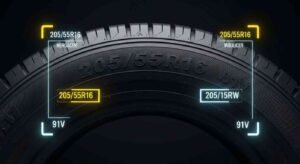
Tires directly affect braking, steering, traction, fuel economy, and overall vehicle safety. Fleet vehicles can accumulate mileage quickly, making tire inspections particularly important.
Fleet managers should monitor tire pressure, tread condition, uneven wear, physical damage, and age. Tire pressure should follow the vehicle manufacturer’s recommended specification.
For additional tire information, see KubeNote’s guide on how to read tire codes, load ratings, and speed ratings.
Brake Maintenance for Commercial Fleets
Commercial vehicles may experience substantial braking demands, particularly when carrying heavy loads or operating in stop-and-go traffic.
Warning signs such as grinding, squealing, vibration, pulling, a soft pedal, or increased stopping distance should never be ignored.
Regular brake inspections can help identify worn pads, damaged rotors, hydraulic problems, and other issues before they compromise vehicle operation.
Fleet Maintenance and Downtime
Downtime is one of the biggest reasons businesses need a proactive maintenance strategy. When a vehicle is unavailable, the consequences can extend beyond the repair invoice.
A delivery vehicle may cause missed schedules. A construction truck may delay a job. A service company may need to reschedule customers. A snow-removal contractor may lose valuable operating time during severe weather.
Preventive maintenance cannot eliminate every breakdown, but it can help businesses identify predictable maintenance needs and plan repairs around operational schedules.
How to Choose a Fleet Service Provider
Businesses should evaluate a repair facility differently from someone looking for a one-time oil change.
Look for Relevant Experience
Ask whether the shop regularly works with your vehicle types, fleet sizes, trailers, and equipment.
Ask About Turnaround Times
Fleet operators should understand how the shop handles urgent repairs and scheduled maintenance. Ask about expected turnaround times before committing to major work.
Discuss Parts and Warranty Coverage
Find out what type of replacement parts are used and what warranty applies to parts and labor.
Keep Communication Clear
A good fleet-service relationship depends on communication. Fleet managers should receive clear explanations of identified problems, recommended repairs, estimated costs, and completed work.
What Public Information Says About JJM Auto & Fleet Service
Public business information provides several useful details about JJM Auto & Fleet Service.
The BBB profile lists the company at 85 Lowell Road in Salem, New Hampshire, and identifies it as BBB accredited with an A+ rating. The profile also lists Monday through Friday operating hours of 7:00 a.m. to 5:00 p.m.
Current structured business information also lists JJM Auto & Fleet Service as an auto repair shop, tire shop, and truck repair shop at the same Salem address, with a 4.6/5 rating from 64 reviews at the time of checking. JJM Auto & Fleet Service
Third-party review information includes positive accounts involving trailer repairs, plow equipment, and general automotive work, although individual reviews should always be considered personal experiences rather than guarantees of future results.
JJM Auto & Fleet Service Location
JJM Auto & Fleet Service is located at:
85 Lowell RoadSalem, NH 03079
The publicly listed telephone number is (603) 898-7993. BBB lists weekday hours from 7:00 a.m. to 5:00 p.m., Monday through Friday.
Because business hours and service availability can change, fleet managers should contact the shop directly before arriving, particularly when arranging larger commercial repairs or equipment service.
How Fleet Managers Can Reduce Repair Costs
Reducing fleet costs does not necessarily mean choosing the cheapest repair option. A low-cost repair that fails prematurely can create additional labor costs and downtime.
Instead, fleet managers should consider the total cost of ownership. Important factors include repair frequency, parts quality, downtime, fuel efficiency, vehicle age, maintenance history, and expected remaining service life.
Regular inspections can also help identify small problems before they develop into larger repairs.
Seasonal Fleet Preparation
Seasonal preparation is especially important for businesses operating in regions with harsh winters.
Before winter, fleet managers should review batteries, tires, coolant, windshield-washer fluid, wiper blades, lighting, heating systems, and other relevant components. Vehicles equipped with snow plows or sanders should also receive appropriate equipment inspections.
Preparing before severe weather arrives gives businesses more flexibility to address problems without waiting for an emergency.
Related Auto Service Resources
Fleet operators can also explore KubeNote’s related automotive content, including the guide to Tuma Auto Services, the overview of Campeon Auto Service, and information about vehicle care and repair services.
These related resources can help readers explore different aspects of automotive maintenance while keeping fleet management and vehicle reliability as the central focus.
Frequently Asked Questions
Where is JJM Auto & Fleet Service located?
JJM Auto & Fleet Service is located at 85 Lowell Road, Salem, New Hampshire 03079.
What does JJM Auto & Fleet Service do?
Its BBB profile identifies passenger car and fleet specialist services, along with sales and service for plows, sanders, dump and rock bodies, and related equipment.
Does JJM Auto & Fleet Service work with trailers?
Yes. Public business information categorizes the company under trailer parts as well as auto repair and fleet services. Customer reviews also mention trailer repair work.
What are the listed hours for JJM Auto & Fleet Service?
The BBB profile lists Monday through Friday from 7:00 a.m. to 5:00 p.m., with Saturday and Sunday closed. Customers should confirm current hours before visiting.
Why is fleet maintenance important?
Regular fleet maintenance helps identify developing mechanical problems, manage operating costs, reduce avoidable downtime, and keep commercial vehicles in safer operating condition.
Final Thoughts
JJM Auto & Fleet Service serves a particularly useful niche by combining automotive repair and fleet-related services with trailer and seasonal equipment support. Its Salem, New Hampshire location and publicly listed fleet, truck, trailer, and equipment services make it relevant to businesses that depend on work vehicles.
For fleet operators, however, choosing a service provider should always involve more than a business name or online rating. Consider the shop’s experience with your vehicle types, turnaround expectations, parts and warranty policies, communication practices, and overall maintenance strategy.
The strongest fleet-management approach is proactive: inspect vehicles regularly, maintain accurate records, address warning signs early, and schedule preventive maintenance before a small issue becomes an expensive interruption.