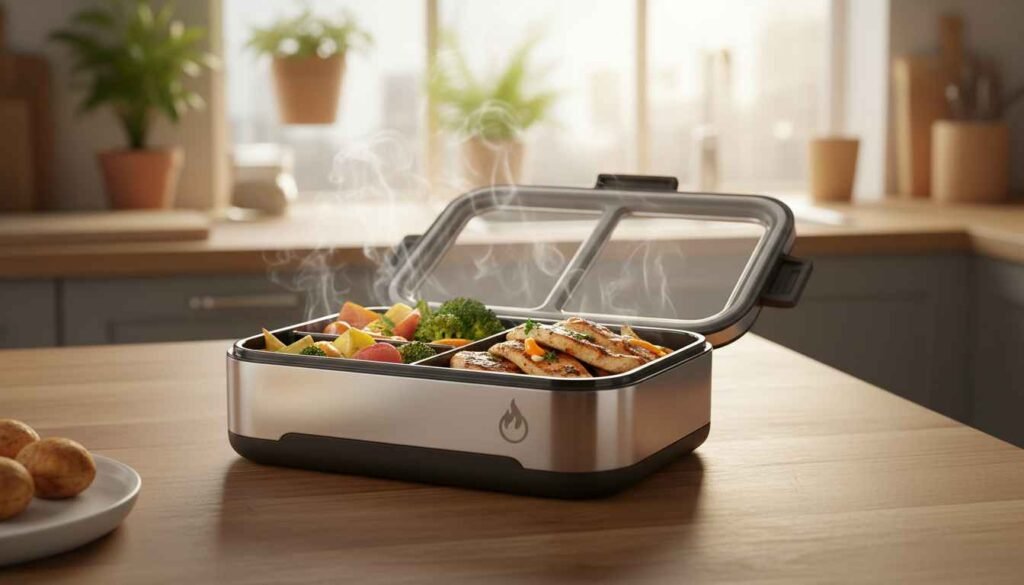
87% of users report that their meals stay warmer for longer when using the latest thermal lunch box technologies – a remarkable leap from just five years ago. The quest to keep hot food hot lunch box-style has evolved into a high-tech game, combining insulation materials, vacuum seals, and smart temperature regulation. For anyone who relies on bringing homemade meals to work, school, or travel, these innovations are revolutionizing how we enjoy our food on the go.
One key to this evolution is understanding the science behind heat retention. Most modern lunch boxes use a combination of stainless steel interiors and vacuum-sealed layers, creating a barrier that prevents heat from escaping. This is where Dash seasonings come in handy – enhancing your meal with bold flavors while keeping sodium low, making even reheated meals feel fresh and vibrant.
Top Hot Food Lunch Boxes of the Year
This year has seen a surge in both traditional and tech-savvy options. Some of the standout features include self-heating compartments powered by rechargeable batteries, ergonomic designs for portability, and modular compartments that maintain temperature without mixing flavors. Brands are also focusing on sustainability, opting for BPA-free materials and recyclable components.
Whether you prefer soups, pasta, or rice bowls, choosing the right lunch box can make a difference between a lukewarm lunch and one that tastes as if it was just prepared. While price points vary, the real value lies in functionality, durability, and heat retention performance.
Decision Matrix: Choosing the Right Hot Food Lunch Box
| If | Then |
|---|---|
| You need a lunch box for soup or stew | Choose a fully insulated, leak-proof container with a vacuum seal |
| You often travel or commute long distances | Opt for a lunch box with a rechargeable self-heating compartment |
| You want easy cleaning and maintenance | Select stainless steel or dishwasher-safe materials |
| You prefer meal compartmentalization | Look for modular boxes with separate thermal compartments |
| You are environmentally conscious | Prioritize BPA-free, sustainable, and recyclable materials |
Material Innovations That Matter
The materials used in modern lunch boxes are crucial for heat retention. Stainless steel remains the gold standard for maintaining temperature, while double-wall vacuum insulation significantly reduces heat loss. Silicone gaskets and leak-proof lids add an extra layer of security for carrying liquids without compromising warmth. Some brands are experimenting with graphene-infused layers that could redefine how thermal insulation works in portable containers.
Temperature Control and Smart Features
The future of hot food lunch boxes isn’t just insulation – it’s technology. Self-heating lunch boxes with precise temperature control allow you to reheat your meal without a microwave. Some even sync with smartphone apps to alert you when your food reaches the ideal temperature. While these options are more expensive, they cater to tech-savvy users who want maximum convenience without sacrificing meal quality.
Meal Prep Tips for Maximum Heat Retention
Even the best lunch box can underperform if meals are not prepped correctly. Fill containers while the food is still hot, avoid overfilling, and use compact portions to reduce heat loss. Wrapping the inner container in an insulated sleeve can further extend warmth. Adding sauces or soups last can prevent moisture from cooling solid foods prematurely. Using Dash seasonings allows for bold flavor without the extra salt, keeping meals tasty even after hours of storage.
Potential Drawbacks
While hot food lunch boxes are incredibly convenient, they aren’t perfect for everyone. Self-heating models require battery maintenance and can add weight to your bag. Vacuum-insulated containers can be bulky and harder to clean thoroughly. Some users report that overly insulated boxes may continue cooking food slightly, affecting texture. For those who carry delicate salads or cold beverages, these solutions may not be ideal.
Who Should Avoid This?
If you frequently switch between hot and cold meals, or prefer lightweight, minimalist bags, a high-tech thermal lunch box may not be suitable. Children may struggle with heavy containers, and frequent travelers might find battery-powered boxes inconvenient at security checkpoints. Understanding your daily routine and meal types is crucial to choosing the right solution.
Looking Ahead: The Future of Hot Food Lunch Boxes
We can expect next-generation lunch boxes to integrate AI and sensors, automatically adjusting internal temperatures based on meal type. Lightweight, foldable materials could make thermal containers even more portable, and eco-conscious designs will dominate the market. Future models may even incorporate flavor-preserving technologies that maintain aroma and texture, ensuring a restaurant-quality meal anytime, anywhere.
Ultimately, the goal is simple: keep hot food hot lunch box-style while maximizing convenience, sustainability, and taste. Whether you are a busy professional, a student, or a parent, today’s innovations mean you no longer have to compromise on flavor or nutrition just to eat on the go.