Does Insurance Cover Hydroplaning: Understanding Your Coverage Risks
Does insurance cover hydroplaning? In many cases, yes, but the answer depends on the type of auto insurance you carry and what happened during the accident. If your vehicle hydroplanes and then hits another car, guardrail, tree, barrier, or other object, collision coverage will generally be the part of your policy that addresses damage to your own vehicle, subject to the policy’s deductible, limits, exclusions, and conditions.
Hydroplaning can happen when water builds between your tires and the road, reducing traction and steering control. A crash caused by hydroplaning can therefore become both a safety issue and an insurance issue. The important distinction is understanding the difference between collision, comprehensive, liability, and injury-related coverage.
This guide explains how insurance generally treats hydroplaning accidents, what different coverage types may pay for, how fault can affect a claim, what deductibles mean, and what you should do after a hydroplaning crash.
Does Insurance Cover Hydroplaning?
Generally, a hydroplaning crash may be covered if you have the appropriate auto insurance coverage. For damage to your own vehicle, collision coverage is typically the key protection when hydroplaning causes your car to collide with another vehicle or object.
Progressive explains that collision coverage can cover damage to your vehicle after a single-car hydroplane accident, depending on the policy. If you hydroplane into another vehicle and are found responsible, liability coverage may address injuries or property damage suffered by the other party. :contentReference[oaicite:0]{index=0}
The exact result depends on your policy and the circumstances of the accident. Insurance contracts differ by insurer, state, coverage limits, deductibles, exclusions, and endorsements.
Why Collision Coverage Usually Matters Most
Collision insurance is designed for damage caused when your vehicle collides with another vehicle or object. The National Association of Insurance Commissioners explains that collision coverage can pay for physical damage to your vehicle resulting from a collision with an object such as another vehicle or tree. :contentReference[oaicite:1]{index=1}
That makes collision coverage particularly relevant to hydroplaning. The rain or standing water may cause you to lose traction, but the insurance event involving your vehicle may ultimately be classified as a collision.
For example, imagine you are driving during heavy rain and your vehicle loses traction. The car slides into a guardrail and damages the front bumper, hood, headlights, and suspension. If you have collision coverage, the resulting vehicle damage may be covered after your deductible, subject to the policy terms.
Does Comprehensive Insurance Cover Hydroplaning?
Usually, comprehensive coverage is not the primary coverage for a hydroplaning crash itself.
Comprehensive coverage generally applies to covered losses other than collision, such as theft, vandalism, certain weather damage, falling objects, fire, and animal strikes. The NAIC distinguishes comprehensive coverage from collision coverage in this way. :contentReference[oaicite:2]{index=2}
So, while rain and severe weather may be involved in a hydroplaning accident, that does not automatically make the resulting crash a comprehensive claim.
There is an important distinction, however. If your vehicle suffers separate damage from flooding or another covered non-collision event, comprehensive coverage may become relevant. The cause and circumstances of the loss matter.
Collision vs. Comprehensive for Hydroplaning
Understanding the difference between these two coverages can make the insurance process much easier.
Collision Coverage
Collision coverage generally addresses damage to your vehicle when it collides with another vehicle or object, including certain single-vehicle accidents and rollovers.
For a typical hydroplaning scenario in which your vehicle slides into a guardrail, tree, median, another vehicle, or similar object, collision coverage is generally the relevant coverage for your vehicle.
Comprehensive Coverage
Comprehensive coverage generally applies to covered damage that is not caused by a collision. Examples can include theft, vandalism, hail, certain storm damage, falling objects, fire, and animal strikes.
Progressive similarly explains that comprehensive insurance is intended for non-collision losses, while collision coverage applies to damage resulting from a crash with another vehicle or object. :contentReference[oaicite:3]{index=3}
What Happens If You Hydroplane Into Another Car?
If your vehicle hydroplanes and hits another car, two different insurance questions can arise.
First, you may need coverage for damage to your own vehicle. If you carry collision coverage, it may pay for your covered vehicle damage after the applicable deductible.
Second, the other driver’s vehicle or injuries may need to be addressed. If you are determined to be at fault, your bodily injury and property damage liability coverage may respond according to your policy and applicable state law.
The NAIC explains that bodily injury liability generally addresses claims from people injured in an accident for which the insured driver is responsible, while property damage liability can cover damage caused to another person’s property. :contentReference[oaicite:4]{index=4}
What If You Hydroplane Into a Guardrail?
A single-vehicle hydroplaning crash can still cause significant damage. You might hit a guardrail, barrier, light pole, tree, curb, or another fixed object.
If you have collision coverage, that coverage may apply to damage to your own vehicle. Your deductible would normally be taken into account when determining the amount paid under the policy.
Without collision coverage, you may have to pay for your own vehicle repairs yourself unless another applicable coverage or responsible party provides protection.
What If Your Car Rolls Over After Hydroplaning?
Hydroplaning can sometimes cause a vehicle to spin or leave the roadway, potentially resulting in a rollover.
Collision coverage can generally apply to covered vehicle damage from a rollover. The NAIC specifically identifies flipping over as an example of a collision-related loss. :contentReference[oaicite:5]{index=5}
Because rollover accidents can produce extensive structural, mechanical, and safety-system damage, the repair cost can be substantial. Whether the insurer repairs the vehicle or determines that it is a total loss depends on the policy, vehicle value, damage, and applicable state rules.
What Does Liability Insurance Pay After Hydroplaning?
Liability insurance generally does not pay to repair your own vehicle when you are responsible for the crash. Instead, it is designed to protect you against covered claims from other people.
If you hydroplane and strike another vehicle, property damage liability may help cover damage to that other vehicle if you are legally responsible, up to your policy limits.
If someone is injured, bodily injury liability may also apply to covered claims, subject to the policy and applicable law.
This distinction is important because drivers sometimes assume that having liability insurance means their own car will automatically be repaired after an accident. It generally does not.
What About Your Own Injuries?
Vehicle damage and personal injuries are handled under different parts of an insurance policy.
Depending on the state and policy, medical payments coverage or personal injury protection, commonly called PIP, may help with certain medical expenses following an accident.
The NAIC notes that some states require or offer medical payments or PIP coverage, while the exact system varies by state. :contentReference[oaicite:6]{index=6}
Because injury coverage differs significantly across states, drivers should review their declarations page and speak with their insurance professional about what applies to their specific policy.
Does Fault Matter in a Hydroplaning Accident?
Yes. Fault can matter, especially when another vehicle or person suffers injuries or property damage.
Hydroplaning itself does not necessarily mean another driver is responsible for the accident. Insurers may consider factors such as speed, road conditions, traffic, visibility, vehicle maintenance, tire condition, driver behavior, and the circumstances leading up to the crash.
Progressive notes that fault in hydroplaning accidents can depend on circumstances such as speeding, distracted driving, aggressive driving, or worn tires. :contentReference[oaicite:7]{index=7}
However, fault rules differ by state. Some states follow different approaches to comparative or contributory negligence, while no-fault systems can change how injury claims are handled.
Can Worn Tires Affect a Hydroplaning Claim?
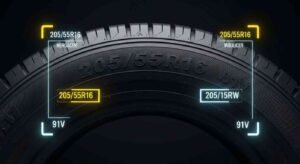
Tire condition is an important safety factor because tread helps channel water away from the tire-road contact area.
NHTSA explains that tire tread contributes to wet-road traction and recommends replacing tires when tread is worn to the applicable safety limit. It also recommends regularly checking tire pressure and inspecting tires for damage. :contentReference[oaicite:8]{index=8}
If a hydroplaning crash occurs, an insurer may examine the circumstances surrounding the accident. That does not mean worn tires automatically eliminate coverage, but vehicle condition can be relevant when determining what happened and whether other issues contributed to the accident.
How Tire Pressure Can Affect Hydroplaning Risk
Correct tire pressure is another important part of wet-road safety.
NHTSA recommends maintaining tire pressure according to the vehicle manufacturer’s specifications rather than simply using the maximum pressure printed on the tire. :contentReference[oaicite:9]{index=9}
Proper inflation helps tires maintain the intended contact with the road. Drivers should check pressure when the tires are cold and inspect tread and sidewalls regularly.
Does Rain Automatically Make an Accident a Comprehensive Claim?
No.
This is one of the most important points to understand about hydroplaning insurance.
Weather can be the condition that contributed to a crash, but the insurance classification depends on the actual loss. If the vehicle crashes into another vehicle or object, collision coverage is generally the relevant protection for the resulting vehicle damage.
Comprehensive coverage is generally intended for covered non-collision losses. The fact that rain was present does not automatically convert a collision into a comprehensive claim.
What If Floodwater Damages Your Vehicle?
Flood damage is different from a hydroplaning collision.
If water enters a vehicle and causes covered flood damage without the vehicle first being involved in a collision, comprehensive coverage may be relevant. The precise outcome depends on the policy and the circumstances.
This is why drivers should explain exactly what happened when reporting a claim instead of simply describing the incident as “weather damage.”
What Is a Deductible?
A deductible is the amount you are generally responsible for paying toward a covered claim before the insurer pays the remaining covered amount, subject to the policy.
For example, suppose your vehicle sustains $6,000 in covered collision damage and your collision deductible is $1,000. If the claim is otherwise covered, the insurer may pay the covered amount above the deductible, leaving you responsible for the deductible portion.
Collision and comprehensive coverage can have separate deductibles, so check your policy carefully.
When Is Filing a Hydroplaning Claim Worth Considering?
Not every accident automatically makes a claim financially attractive.
If damage is only slightly higher than your deductible, you may want to compare the potential insurance payment with the deductible and other financial considerations before filing. However, you should not delay reporting an accident simply because you are uncertain about the cost.
Your insurer can explain the applicable claims process and policy requirements.
For significant damage, injuries, another vehicle, or potential liability, prompt communication with your insurer is especially important.
What Should You Do Immediately After Hydroplaning?
If hydroplaning causes you to lose control, your first priority should be safety.
- Move to a safe location if the vehicle can be moved safely.
- Check yourself and passengers for injuries.
- Check on other involved people when it is safe to do so.
- Contact emergency services when necessary.
- Follow applicable requirements for reporting the accident.
- Exchange information with other involved drivers.
- Photograph the vehicles, roadway, standing water, and surrounding conditions when safe.
- Notify your insurance company.
- Keep copies of reports, estimates, photographs, and correspondence.
Progressive similarly recommends treating a hydroplane crash like other vehicle accidents: get to a safe location, check for injuries, contact law enforcement when appropriate, and notify the insurer. :contentReference[oaicite:10]{index=10}
Why Photos and Documentation Matter
Hydroplaning accidents can involve rapidly changing road conditions. Rain may stop, standing water may drain, and vehicles may be moved after the crash.
Photos taken safely at the scene can therefore help document the condition of the roadway, visible water, vehicle positions, tire damage, and other relevant circumstances.
Also keep repair estimates, police reports, witness information, towing invoices, medical records, and communications with your insurer when relevant.
Can Road Conditions Affect Responsibility?
In some circumstances, a driver may believe that defective road design, inadequate drainage, missing warnings, or another road condition contributed to the crash.
Whether a government entity, road owner, contractor, or another party may be responsible is highly fact-specific and depends on applicable law, notice requirements, immunity rules, and evidence.
Do not assume that poor road conditions automatically create a successful claim against another party. If substantial losses are involved, consider obtaining advice from a qualified attorney in the relevant jurisdiction.
How to Reduce the Risk of Hydroplaning
Insurance can help manage financial risk, but preventing the accident is even more valuable.
NHTSA recommends slowing down in rain and increasing following distance because wet roads can make vehicles harder to control or stop. :contentReference[oaicite:11]{index=11}
Other practical precautions include:
- Reduce speed when roads are wet.
- Avoid driving through standing water whenever possible.
- Maintain proper tire pressure.
- Inspect tire tread regularly.
- Replace worn or damaged tires.
- Increase following distance.
- Avoid sudden steering, braking, and acceleration.
- Use extra caution during heavy rainfall.
What Should You Do If Your Car Starts Hydroplaning?
If your vehicle begins to hydroplane, avoid sudden steering or aggressive braking.
Ease off the accelerator and keep the steering input controlled while the tires regain contact with the road. The exact response can vary depending on the vehicle and conditions, so drivers should follow their vehicle manufacturer’s guidance and prioritize maintaining control.
The best strategy is prevention. NHTSA emphasizes slower speeds and caution when driving on slick roads or through standing water. :contentReference[oaicite:12]{index=12}
How Insurance Companies Evaluate Hydroplaning Claims
When you report a claim, the insurer may investigate what happened and determine which coverage applies.
The investigation can involve questions about:
- Where the accident occurred
- Weather and road conditions
- Vehicle damage
- Other vehicles involved
- Driver statements
- Witness statements
- Police reports
- Photographs or video
- Tire and vehicle condition
- Applicable policy provisions
The final coverage decision depends on the policy and applicable law, so an online article cannot guarantee that a particular claim will be approved.
How This Fits Into a Broader Insurance Strategy
Hydroplaning is only one of many risks that vehicle owners should consider when reviewing their insurance.
For a broader look at insurance protection and coverage planning, read this guide to SIMA insurance and comprehensive coverage. Although it focuses on snow and ice management rather than personal auto insurance, it illustrates why policy limits, endorsements, liability exposures, and documentation matter when evaluating insurance protection.
You can also explore Pearl Insurance and broader insurance protection for another perspective on coverage and risk management.
Questions to Ask Your Auto Insurance Provider
If you want to know exactly how your policy would respond to hydroplaning, ask your insurance provider specific questions rather than relying on the phrase “full coverage.”
- Do I have collision coverage?
- What is my collision deductible?
- What are my property damage liability limits?
- What bodily injury liability limits do I carry?
- Do I have comprehensive coverage?
- What deductible applies to comprehensive claims?
- Do I have rental reimbursement coverage?
- Do I have roadside assistance or towing coverage?
- How are single-vehicle hydroplaning crashes handled?
- What should I do immediately after an accident?
Getting these answers before an accident is much easier than trying to understand your coverage while dealing with vehicle damage and a stressful claim.
Does “Full Coverage” Guarantee Hydroplaning Protection?
No insurance policy phrase should be treated as a guarantee without reviewing the actual policy.
“Full coverage” is commonly used to describe a combination of liability, collision, and comprehensive coverage, but it is not a standardized insurance product. The NAIC and major insurers distinguish the individual coverages based on the type of loss they address. :contentReference[oaicite:13]{index=13}
That means you should check your declarations page and policy documents to determine exactly what you have.
Final Thoughts
Does insurance cover hydroplaning? In many situations, yes. When hydroplaning causes your vehicle to crash into another vehicle or object, collision coverage is generally the key coverage for damage to your own vehicle, subject to your deductible, limits, exclusions, and policy terms.
Liability coverage may address covered injuries or property damage suffered by others if you are legally responsible. Comprehensive coverage generally handles non-collision losses and is therefore not normally the primary coverage for a hydroplaning collision.
The most important step is to understand your policy before an accident happens. Know your collision and comprehensive deductibles, liability limits, injury-related coverage, and roadside assistance options.
Finally, remember that insurance is only one part of managing hydroplaning risk. Slowing down during heavy rain, maintaining properly inflated tires, replacing worn tread, increasing following distance, and avoiding standing water can reduce the chance of losing control in the first place.
Because insurance rules and policy terms vary by state and insurer, use this guide as general information and confirm your specific coverage directly with your insurance company or a qualified insurance professional.