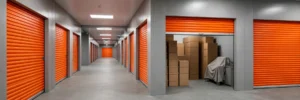
Whether you are between homes, clearing a garage, or storing stock for a small business, choosing the wrong storage unit usually becomes obvious at the worst moment — when the door will not close, when summer heat warps what you stored, or when the monthly rate quietly doubles. A storage unit is a simple product, but the differences between a good rental and a frustrating one sit in the details: true size, security, access, and the contract terms most people skim. This guide walks through how to choose a storage unit step by step, so the space you pay for is the space you actually need.
Start With What You Are Actually Storing
Before comparing facilities, make a rough inventory of what is going into the unit: furniture, boxes, appliances, vehicles, documents, or business stock. Note anything fragile, valuable, or sensitive to heat and moisture. This list decides almost everything that follows — the size you need, whether climate control is worth paying for, and how much insurance cover makes sense. People consistently overestimate how much fits in a small unit and underestimate how much air space gets wasted by poor stacking, so plan to organize with shelving and similar-sized boxes rather than filling the unit like a skip.
If the storage need comes from a house move, sequence the two decisions together: book the unit for a few days before the movers arrive, and use the same vetting approach described in our checklist on how to choose a moving company — written quotes, verified credentials, and no vague verbal promises.
Storage Unit Sizes, Explained Simply
Facilities describe units by floor dimensions, and the names become intuitive once you picture familiar spaces. A small unit around 5 by 5 feet works like a deep closet — seasonal boxes, garden tools, or the contents of one small room. A 5 by 10 holds a studio flat’s worth of furniture. The most rented size, roughly 10 by 10, approximates a spare bedroom and swallows a two-bedroom home’s main furniture with careful stacking. A 10 by 15 suits a larger home or a car-sized load of equipment, while a 10 by 20 is close to a single-car garage and is the usual choice for vehicles plus household goods. When in doubt between two sizes, remember that an overfilled unit you cannot walk into is a unit you cannot use — being able to reach the back matters more than saving a small monthly difference.
Climate-Controlled or Standard?
Standard drive-up units follow the outdoor temperature, which is fine for tools, vehicles, and sturdy furniture over a few months. Climate-controlled units keep temperature — and often humidity — within a steadier range, and they earn their higher price when you store wooden furniture, leather, electronics, photographs, paper records, musical instruments, or anything you would not leave in a hot car for a season. Long storage periods tip the balance further toward climate control, because slow heat and damp damage is cumulative and usually discovered too late.
Security Checks That Actually Matter
Walk the facility before you sign, ideally at the hour you would normally visit. Look for a proper perimeter fence with coded gate access rather than an open yard, working cameras covering the driveways (not just the office), bright lighting along the rows, and clean, well-kept corridors — neglect in the common areas usually means neglect everywhere. Ask whether units have individual door alarms and what happens when one triggers. Bring your own quality disc lock rather than a cheap padlock; it is the single cheapest security upgrade you control. Finally, check how the facility handles access by other people: a good operator will let you authorize a named person in writing and nobody else.
Access Hours, Location and the Real Cost of Distance
A cheaper facility forty minutes away is rarely cheaper once you value your time and fuel, especially if you will visit monthly. Compare gate hours against your real schedule — some sites offer near-24-hour access, others close early in the evening. Drive-up access matters if you store heavy items; upper-floor units served by a lift are fine for boxes but miserable for sofas. If you are storing during a home purchase or sale, when dates shift constantly, flexibility beats a small saving — the same reason buyers following our first-time home buyer guide are advised to keep some slack in every plan.
Read the Contract Before You Sign
Three clauses deserve your attention. First, rate increases: month-to-month rentals can rise with notice, so ask how often and by how much rates have changed in the past year. Second, insurance: many facilities require your stored goods to be insured, either through their protection plan or your own policy — confirm what is actually covered, because the facility’s building insurance does not cover your belongings. Third, late payment and lien terms: know the grace period, the fees, and how long a unit can be delinquent before the operator may auction its contents under state law. None of this is a reason for alarm; it is simply the part of the decision that protects you when life gets busy.
Packing the Unit So You Can Actually Use It
How you load the unit decides whether it works for you in month six. Leave a narrow walkway down the middle, store the items you will need first near the door, and keep an inventory list on your phone with a rough map of what sits where. Raise everything off the floor on pallets or shelving — even in a good facility, a small amount of water from a storm or a neighbour’s spill can travel further than you expect. Fill boxes completely so they stack without collapsing, label them on two sides, and wrap furniture in breathable covers rather than plastic, which traps moisture. Ten extra minutes of organization on moving day saves an hour of digging on every visit afterwards.
Questions to Ask on the Tour
Ask how pest control is handled, when the unit was last cleaned and inspected, whether there have been water leaks in your row, and what the move-out notice period is. Ask to see the exact unit you will rent, not a show unit. A well-run facility answers all of this without hesitation, and the answers — plus the state of the corridors — will tell you more than any advertisement. Choose the facility that treats a storage unit as a service rather than a padlock on a door, and your belongings will be exactly as you left them when you come back.